

Outdoor Games: Rekindling Joy, Connection, and Vitality in the Open Air
In a world increasingly mediated by screens and confined within artificial environments, the timeless charm of outdoor games holds a revitalizing power. These games, which unfold on sun-drenched fields, beneath leafy canopies, or across neighborhood streets, are more than simple pastimes. They are cultural artifacts, physical expressions of joy, and powerful tools for human connection and development. To speak of outdoor games is to speak of childhood, of community, and of the enduring need to move, to play, and to breathe in the world beyond walls.
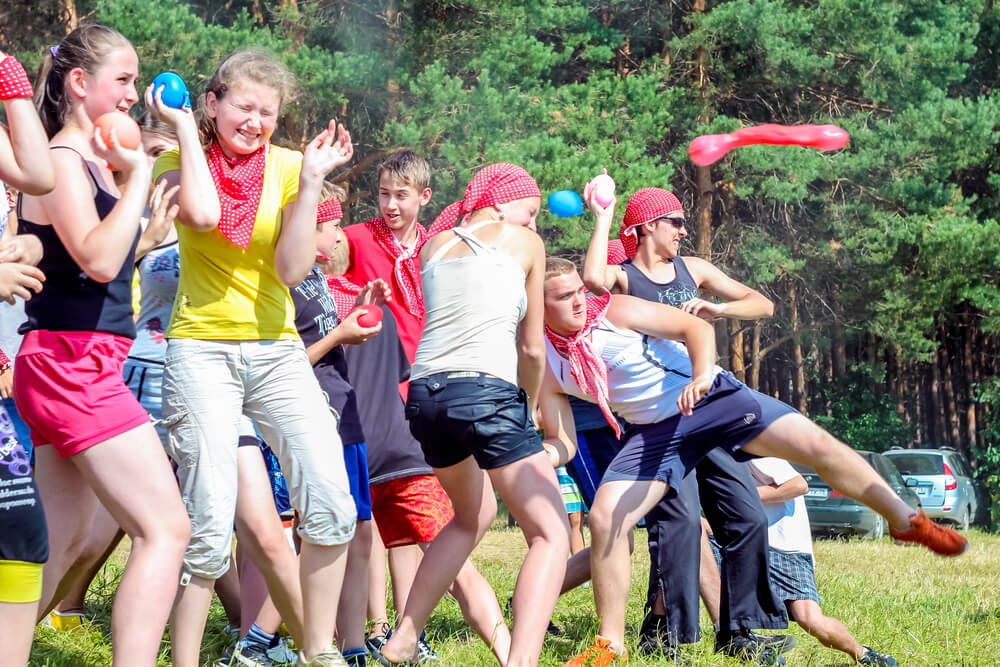
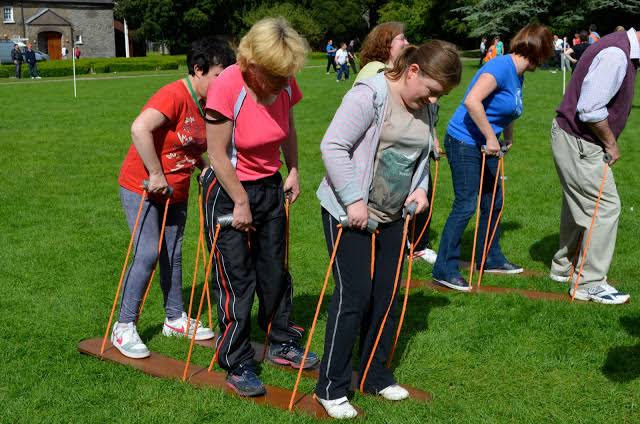
Outdoor games encompass a wide variety of physical activities played outside, typically in open spaces like parks, playgrounds, beaches, or backyards. Unlike indoor or digital games, they rely less on technological interfaces and more on physical presence, social interaction, and the natural environment. From classics like tag and hide-and-seek to organized sports such as football, cricket, and frisbee, outdoor games engage the body and mind in ways few other forms of recreation can replicate.
One of the most compelling aspects of outdoor games is their universality. Every culture, every nation, regardless of geography or socioeconomic status, has its own cherished forms of outdoor play. In rural villages, children chase after makeshift balls crafted from cloth or rubber scraps. In bustling urban centers, courts and open lots transform into arenas of spirited competition. These games require little to no equipment and adapt fluidly to whatever space is available, making them remarkably inclusive and egalitarian.
The physical benefits of outdoor games are well-documented and profound. They encourage cardiovascular fitness, coordination, strength, and flexibility. For children especially, regular outdoor play supports healthy growth, motor development, and immune function. In an age where childhood obesity and sedentary lifestyles are escalating concerns, encouraging outdoor games offers a natural, enjoyable antidote.
Yet, the value of outdoor games extends well beyond physical health. They are essential to emotional resilience and social learning. Unlike solitary digital games, outdoor play typically involves cooperation, competition, negotiation, and shared rules. Children learn teamwork when building a human pyramid or playing capture the flag. They experience leadership and accountability as team captains or game organizers. Even conflict and disagreement—inevitable in unstructured or semi-structured games—serve as critical lessons in communication and compromise.
For adults, too, outdoor games provide a necessary outlet for stress and a chance to reconnect with simpler pleasures. A game of tennis after work, a weekend round of ultimate frisbee, or an impromptu beach volleyball match offers more than exercise—it revives the playfulness often dulled by daily responsibilities. Moreover, outdoor games foster community. Neighborhood games bring families together, while adult recreational leagues introduce strangers who become teammates, and often, friends.
Environmental engagement is another often-overlooked merit of outdoor games. They encourage a relationship with nature, reminding players of wind direction, ground texture, sunlight, and even weather patterns. Unlike controlled indoor settings, the outdoors introduces a dynamic quality to every game. A gust of wind might carry a kite differently, or rain might delay a soccer match, adding a layer of unpredictability and adaptability that sharpens awareness and responsiveness.
It is also worth considering the psychological and cognitive benefits of outdoor play. Studies consistently show that time spent outdoors, particularly in green spaces, enhances mood, reduces anxiety, and improves focus. When coupled with the endorphin boost of physical exertion and the dopamine surge of playful interaction, outdoor games become a potent remedy for the mental fatigue that plagues so many in modern life. For children diagnosed with attention-related disorders, for instance, regular outdoor activity has shown to support better concentration and behavioral regulation.
The history of outdoor games offers further insight into their significance. Many of the games we now recognize as organized sports evolved from informal outdoor play. Rugby began as a variation of football in British schoolyards; baseball evolved from earlier bat-and-ball games played in meadows and fields. Even Olympic sports such as javelin and discus trace their roots to outdoor competitions held in ancient civilizations. The enduring popularity of these activities attests to their deep resonance with human nature.
Today, despite the allure of virtual entertainment and the busyness of modern schedules, there is a renewed appreciation for outdoor games. Initiatives in schools and communities are reintroducing outdoor play through structured recess programs, weekend sports leagues, and community festivals. Urban planners are increasingly integrating play-friendly zones—like green spaces, running tracks, and multi-use courts—into cityscapes, recognizing that outdoor games are essential not only for individual well-being but for the social fabric of communities.
Of course, challenges remain. Safety concerns, lack of accessible spaces, and shifting cultural norms can limit opportunities for outdoor games. However, these obstacles are not insurmountable. Simple steps—like closing streets to traffic during certain hours, maintaining local parks, or simply setting aside time for unstructured outdoor play—can dramatically shift how we interact with our environment and with each other.
Ultimately, outdoor games are not just about recreation—they are about reclaiming a part of ourselves that thrives on movement, spontaneity, and connection. They remind us that joy does not require complexity or cost, that camaraderie can be found in a shared chase or a well-placed pass, and that the outdoors is not a backdrop to our lives but a vital part of it.
As we navigate a world increasingly shaped by technology and urbanization, the value of outdoor games stands undiminished. They offer an open invitation—to step outside, breathe deeply, and rediscover the timeless pleasure of play.