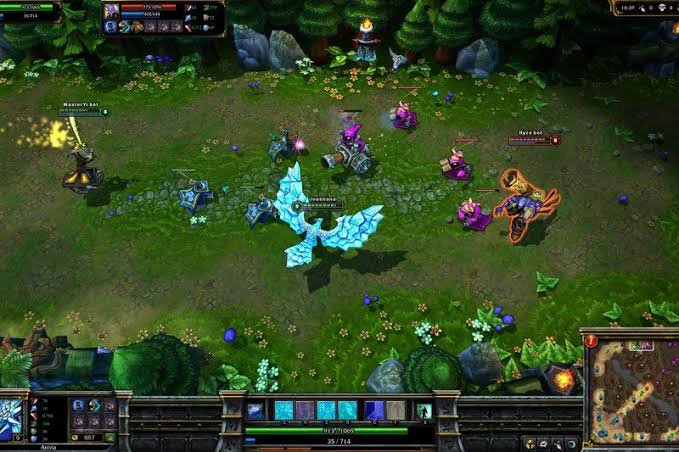


Mastering the Game: Timeless Tips for Elevating Your Play
Whether you’re a casual player unwinding after work or a competitive enthusiast chasing the thrill of victory, there’s one universal truth in the realm of gaming—everyone wants to get better. Games, in all their forms and genres, challenge not only our reflexes and logic but also our patience, adaptability, and strategic thinking. Regardless of what you play—be it first-person shooters, sprawling RPGs, fast-paced MOBAs, or indie puzzlers—improvement doesn’t come solely from hours logged. It’s the combination of deliberate practice, insight, and a willingness to adapt that separates a decent player from a truly formidable one.
Great players don’t just play more; they play smarter. So, whether you’re looking to refine your skills, overcome a particularly stubborn level, or rise through the ranks in a competitive ladder, these timeless game tips can help unlock your potential and elevate your experience.
1. Understand the Game’s Core Mechanics
Before you can master a game, you must first understand its language. Every game is governed by a set of core mechanics—its rules, systems, and inner logic. Whether it’s stamina management in an action RPG, recoil control in a tactical shooter, or resource efficiency in a real-time strategy title, a deep grasp of the fundamental mechanics is critical.
Start by reading through the tutorials, not just skipping past them. Pay attention to the design choices: why does the game reward certain actions over others? How does the environment respond to your behavior? The more you understand the intent behind the game’s systems, the better equipped you’ll be to bend them to your advantage.
2. Practice with Purpose, Not Just Persistence
Many players assume that progress is a function of time spent playing. In reality, it’s not how long you play, but how you play that matters. Purposeful practice—focused, mindful repetition of skills you aim to improve—is infinitely more productive than aimless gaming sessions.
Break your playtime into segments. Devote a portion to trying new strategies or refining specific skills. In a fighting game, for instance, spend time mastering a particular combo. In a shooter, run through aim training scenarios. Then, put those techniques into practice in real matches. Reflect, assess, and iterate. Improvement is incremental and deliberate.
3. Watch and Learn from Others
One of the great blessings of modern gaming is the wealth of content available from skilled players across the globe. Livestreams, YouTube tutorials, replays, and commentary offer a treasure trove of learning opportunities.
Seek out high-level gameplay not simply for entertainment, but as a study tool. Observe how top players position themselves, how they react under pressure, how they manage resources, and how they recover from setbacks. Don’t just mimic; analyze. Why did they choose that moment to strike? What led to their victory—or defeat? Understanding the “why” behind their decisions can open new dimensions in your own play.
4. Customize Your Settings to Fit Your Style
It’s astonishing how often players ignore the impact of personalized settings. Whether it’s mouse sensitivity, key bindings, controller layout, or display preferences, subtle adjustments can drastically improve comfort and performance.
Experiment with different configurations until you find what feels intuitive. Don’t just copy a pro player’s setup—what works for them may not work for you. Instead, aim to create a seamless interaction between you and the game, one that enhances your natural rhythm and minimizes friction.
5. Embrace Loss as a Learning Opportunity
Losing is inevitable in any game worth mastering. The key lies not in avoiding failure, but in mining it for insight. Each defeat contains valuable information—about your decisions, your opponent’s tactics, and the limitations of your current approach.
Instead of rage-quitting or blaming lag, take a breath and ask yourself: what went wrong? Was it a misjudged risk? A lapse in focus? A mechanical error? Identifying patterns in your losses can help you plug holes in your gameplay and turn weaknesses into strengths.
6. Manage Tilt and Stay Focused
Emotions are a powerful undercurrent in gaming. Frustration, overconfidence, anxiety—they can cloud judgment and unravel even the most skilled players. Learning to recognize and manage these emotional swings is a cornerstone of consistent performance.
Take breaks when needed. Stay hydrated. Step away after a streak of losses. Mental clarity is a performance enhancer in itself. The best players know when to push forward and when to reset, understanding that focus is as important as technique.
7. Build and Engage with a Community
Games are, at their heart, a social experience. Surrounding yourself with a community—whether it’s a guild, a Discord group, or a local meetup—can offer support, camaraderie, and a broader perspective.
Engaging with others allows for the exchange of strategies, constructive feedback, and motivation during slumps. It also deepens your appreciation of the game itself, transforming it from a solitary pastime into a shared passion. Competition may sharpen your skills, but collaboration often refines them.
8. Stay Updated and Adaptable
Games evolve. Patches introduce balance changes, new content, or even complete overhauls of existing systems. Staying abreast of updates is crucial, especially in competitive titles. What was once a dominant tactic may become obsolete overnight.
Adaptability is one of the most valuable traits a player can cultivate. Be open to change. Experiment with new characters, tools, or styles. View updates not as disruptions, but as opportunities to grow and reengage with the game in fresh ways.
9. Set Realistic Goals
Improvement doesn’t happen overnight. Set clear, attainable goals—whether it’s mastering a specific technique, improving your win-loss ratio, or simply enjoying the game more consciously. Celebrate milestones along the way, however small they may seem.
Goals keep you grounded, focused, and motivated. They transform your play from a vague pursuit of “getting better” into a structured journey of achievement.
10. Don’t Forget to Have Fun
Amid all the tips, strategies, and competitive drive, it’s essential not to lose sight of why you play in the first place. Games are meant to be enjoyable. They are, at their core, a celebration of creativity, challenge, and connection.
If improvement becomes a chore, or if the game starts to feel more like work than play, it may be time to step back. Rekindling joy in the experience often does more for your performance than grinding through another frustrating match.
In the end, the journey of gaming is as much about self-discovery as it is about victory. With the right mindset, a commitment to growth, and a dash of curiosity, any player can unlock new levels of excellence—and enjoyment.